



您好!很高兴为您提供一对一的专属咨询。
请问有什么可以帮您?
冻卵的流程和价位是什么?

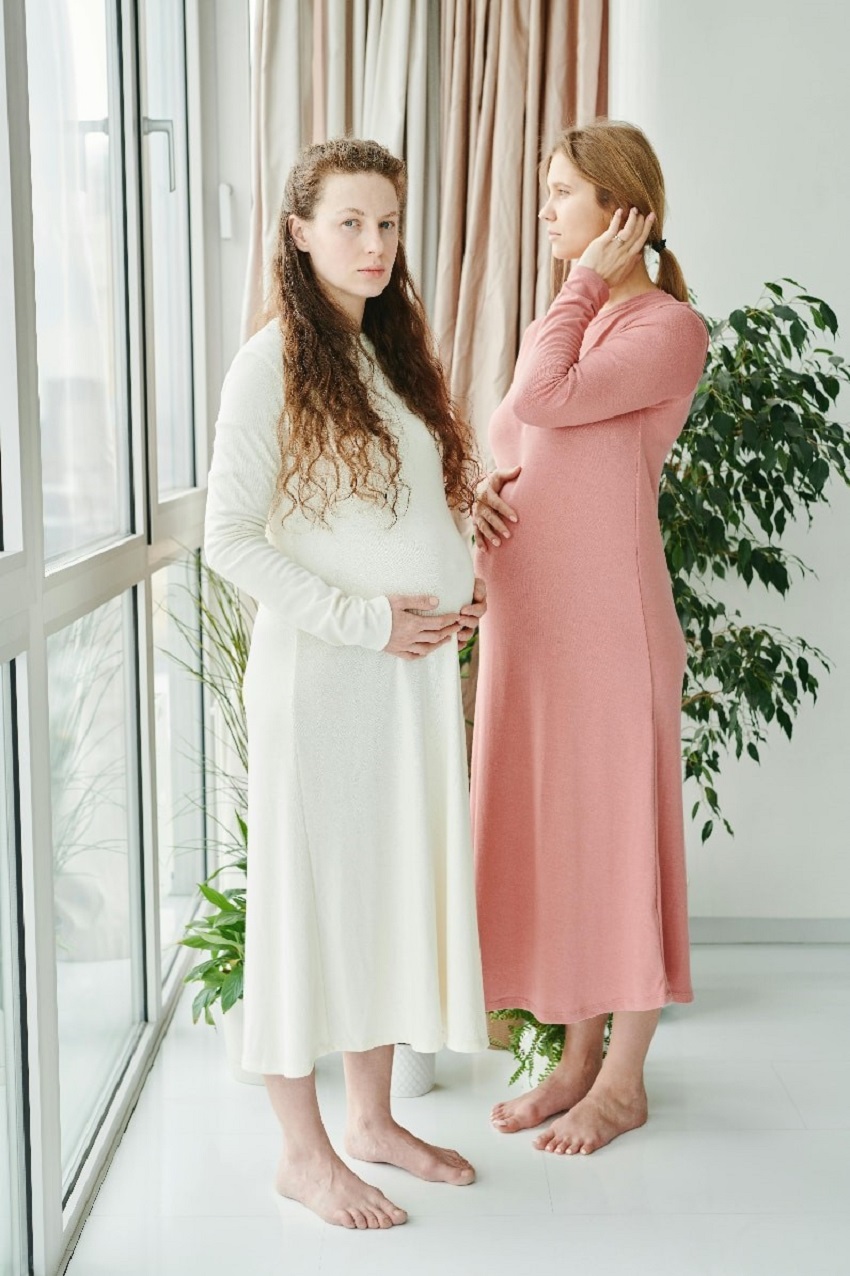
After the second-child policy was introduced, many families hope to give their first child a sibling, only to find that age and physical conditions make natural conception increasingly difficult. Work pressure, repeated failed attempts to conceive, and even past ectopic pregnancies or fallopian tube issues have quietly narrowed the fertility window. In this context, egg freezing technology in the U.S. and Mexico, combined with IVF solutions, is providing many couples with “time insurance,” allowing embryos frozen years ago to be used at the right moment to achieve their dream of a second child.
The story of Ms. Li and her husband is a clear example. More than a decade ago, they successfully had their first son through IVF. At that time, surplus high-quality embryos were frozen. Twelve years later, after the sudden passing of the husband’s father, the couple not only faced grief but also began to worry about their only child’s future. They decided to have another child. Doctors retrieved the embryos that had been frozen years earlier, and after thawing and transfer, Ms. Li became pregnant and gave birth to a second healthy boy. This case shows many families trying to conceive that frozen embryos are not just a short-term solution, but a long-term reproductive reserve.
How long can frozen embryos be stored?
Modern vitrification technology allows embryos to nearly stop metabolism in liquid nitrogen, making it theoretically possible to store them for decades or even longer. IVF centers in the U.S. and Mexico widely use this technology, with post-thaw survival rates exceeding 95%, nearly indistinguishable from fresh embryos. Clinical data indicate that embryos stored for more than 10 years do not show a significant decline in transfer success rates. This provides great flexibility for couples who cannot proceed with childbearing due to career, medical treatment, or family reasons.
Unique advantages of frozen embryo transfer in the U.S. and Mexico
Compared to traditional fresh embryo transfer, the main advantage of frozen embryo transfer is that it allows the endometrium to fully recover. After ovarian stimulation, hormone levels are often unstable, and immediate transfer may affect implantation rates. Frozen embryos can be transferred when the uterus is in optimal condition, which is particularly suitable for older patients, those with poor ovarian response, or those with repeated failures. IVF-PGT uses genetic screening (PGT) to comprehensively exclude chromosomal abnormalities before transfer, further improving healthy live birth rates. The entire process, from online evaluation to short-term travel for egg retrieval and then frozen embryo transfer, is designed around the couple’s schedule, reducing the burden of repeated long-distance travel.

When the desire for a second child coincides with the pressure of age, many people, after understanding egg freezing and IVF processes in the U.S. and Mexico, find that early preservation brings an unprecedented sense of security. Dr. Nathan Zhang founded the IVF USA team, which has been engaged in overseas assisted reproductive consulting services for more than ten years, providing services such as egg freezing in the United States, IVF, and third-party assisted reproduction for those in need. With nearly 20 years of experience in the overseas assisted reproduction field, IVF USA has, based on diversified and personalized reproductive needs, established an early presence in the Mexican market and become the Chinese agency for Power Fertility Center Mexico POWER Fertility Center (POWER IVF). Currently, Dr. Nathan Zhang’s services have expanded beyond the United States to include IVF and egg freezing in Mexico, Japan, and Thailand, as well as regions such as Taiwan and Hong Kong, helping more people take control of their reproductive choices at different stages of life and move step by step toward the goal of a healthy and complete family.