Hello! I'm delighted to provide you with exclusive one-on-one consultation.
How can I assist you?
What is the process and cost of egg freezing?


Modern living and working environments are becoming increasingly complex, and preparing for pregnancy involves more than adjusting your diet and maintaining a regular sleep schedule. Laboratories, medical institutions, the beauty industry, factories, and agriculture may all involve exposure to different types of chemicals.
Why Should You Pay Attention to Chemicals When Preparing for Pregnancy?
Some chemicals may affect the endocrine system, reproductive system, or metabolic function. Long-term or high-level exposure has been associated in some studies with issues such as menstrual irregularities, changes in semen quality, and pregnancy outcomes.
It is important to note that exposure to a particular chemical does not necessarily mean it will affect fertility. What really needs to be considered is the type, dose, frequency, and duration of exposure, as well as individual health conditions. For most families, simply reducing unnecessary exposure is sufficient, and there is no need to become overly anxious about a single exposure.
Which Everyday Situations Are Worth Paying Attention To?
In daily life, plastic products, cleaning supplies, pesticides, and some personal care products may all be sources of chemical exposure.
For example, it is not recommended to use plastic containers that are not suitable for heating to hold hot food for long periods. When purchasing food, you can moderately reduce highly processed and excessively packaged foods. Fruits and vegetables should be washed thoroughly. When using pesticides, herbicides, or strong cleaning products, appropriate protection should be used according to the product instructions.
Personal care products can also be simplified appropriately. This does not mean that perfume, hair dye, nail products, or air fresheners must all be completely discontinued. However, if your work environment already involves significant chemical exposure, reducing unnecessary additional exposure can be helpful.
Occupational Exposure Deserves Particular Attention
Compared with occasional use of a household product, long-term occupational exposure deserves greater attention.
Healthcare workers may be exposed to disinfectants, anesthetic gases, or certain medications. Laboratory workers may come into contact with organic solvents and other chemical reagents. Agricultural workers may be exposed to pesticides and herbicides. In these situations, rather than relying solely on diet to “counteract” the effects, it is more important to maintain adequate ventilation, use personal protective equipment, and properly manage the work environment.
If you are preparing for pregnancy, you can inform occupational health or medical professionals about your work environment in advance and determine whether adjustments are needed based on your actual exposure.
What Other Factors Should Be Considered If You Have Been Trying for a Long Time?
If you still have not become pregnant after reducing chemical exposure and improving your diet and sleep habits, the cause should not be attributed entirely to environmental factors.
Women should pay attention to ovarian reserve, ovulation, the fallopian tubes, and the uterus, while men should undergo semen analysis. Age, egg quality, sperm quality, and embryo development can also affect the final reproductive outcome.
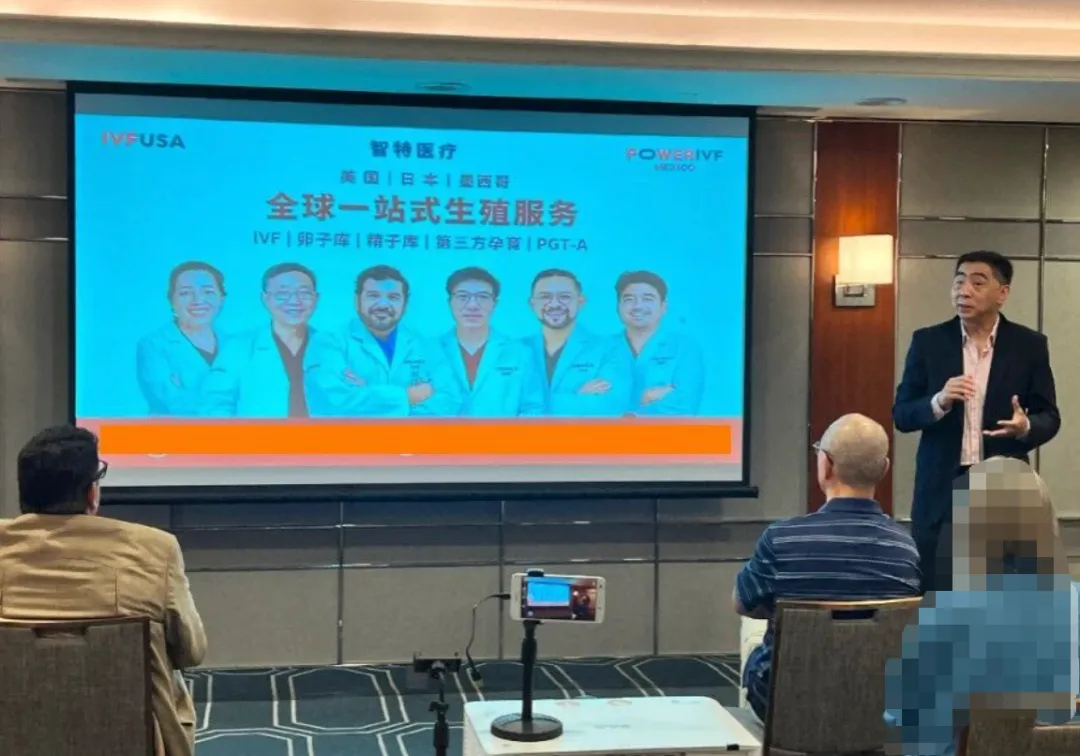
The team founded by Dr. Nathan Zhang of IVF USA has been engaged in overseas assisted reproductive consultation services for more than ten years, providing services such as egg freezing in the United States, IVF in the United States, and third-party assisted reproduction for those in need. With nearly 20 years of experience in the overseas assisted reproduction field, IVF USA entered the Mexican market early in response to increasingly diverse and personalized reproductive needs and became the Chinese representative of Power Fertility Center, the Mexico POWER Fertility Center (POWER IVF). Dr. Nathan Zhang’s business has now expanded beyond the United States to include IVF and egg freezing in Mexico, IVF and egg freezing in Japan and Thailand, as well as services in Taiwan and Hong Kong. Understanding your own situation before making a decision can make your subsequent family-building plan clearer.


Online Customer Service

In-Vitro Fertilization (IVF)
Female Egg Freezing

Fertility Assessment

Scan for Consultation

Back to Top