



您好!很高兴为您提供一对一的专属咨询。
请问有什么可以帮您?
冻卵的流程和价位是什么?

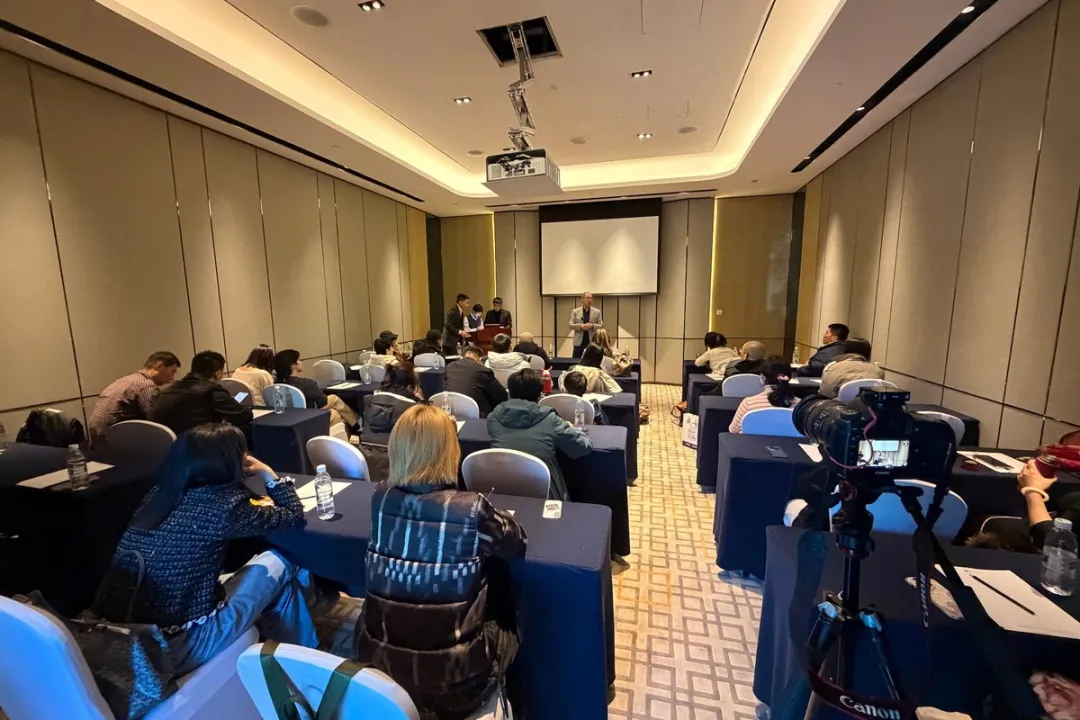
At noon on November 21, 2026, the “Kusuhara Seminar,” jointly hosted by IVF USA and Kusuhara Women's Clinic (JapanIVF / Kusuhara Woman Clinic), a long-established fertility clinic in Ginza, Tokyo, Japan, was held in Meeting Room D on the first floor of the Beijing View Hotel International.
Dr. Nathan Zhang, Founder and CEO of IVF USA (IVF USA / POWER IVF / JAPAN IVF); Dr. Atsuko Kusuhara, Director of Kusuhara Women's Clinic in Ginza, Tokyo, founded in 1996; and Dr. Weihua Wang, Chief Scientist of IVF USA and a senior American embryologist, attended the event together. They addressed three key topics: the integrated assisted reproductive services model spanning Japan, the United States, and Mexico; the latest developments in Japanese reproductive medicine and laboratory technology; and advances in egg freezing and IVM embryology. The experts delivered in-depth presentations and engaged in face-to-face discussions with Chinese families preparing for pregnancy and industry partners in attendance.
01 Japan-Based Initial Fertility Preservation + Compliant IVF Treatment in the U.S. and Mexico
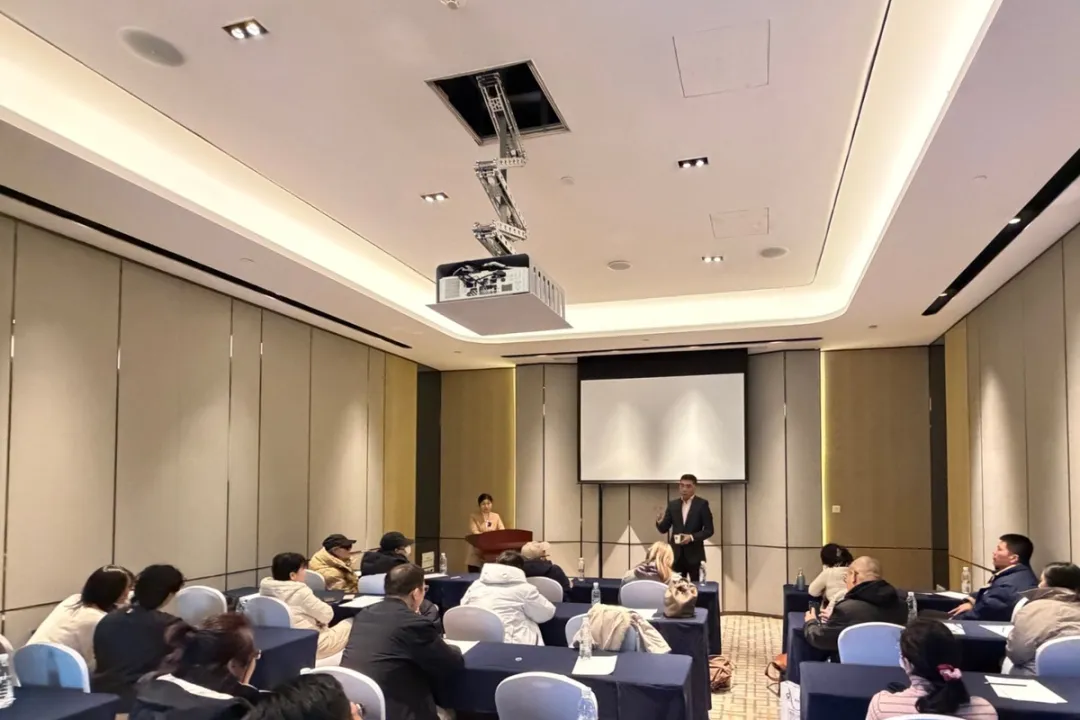
At the beginning of the seminar, Dr. Nathan Zhang delivered a keynote presentation titled “Cost-Effective Integrated Assisted Reproductive Services: Japan | United States | Mexico.” Drawing on authoritative clinical statistics from the Society for Assisted Reproductive Technology (SART), he first provided an objective analysis of the mature application of third-party gamete cycles, which account for approximately 10% of assisted reproduction cycles in North America, and frozen egg technology, which accounts for 70%–90% of relevant cycles.
Addressing two major practical challenges commonly faced by older women and working professionals pursuing cross-border IVF—physical strain caused by long-distance international travel and the complexity of coordinating policies across different legal jurisdictions—Dr. Zhang systematically outlined the collaborative pathway established by IVF USA across Japan, the United States, and Mexico. Tokyo, Japan, just two to three hours by air from China with only a one-hour time difference, serves as the initial treatment location. Families and single women who need these services can undergo preliminary fertility assessments, individualized ovarian stimulation and egg retrieval, blastocyst development, or vitrification of unfertilized eggs at Kusuhara Women's Clinic in central Ginza, Tokyo, while maintaining a schedule close to their normal daily routine. Subsequently, supported by Japan's well-established regulations governing the export of biological samples and a Clinic-to-Clinic ultra-low-temperature cold-chain customs clearance and escort system, frozen gametes or embryos can be legally transported to partner centers in North America. Based on each family's budget and legal requirements, cases are directed to compliant fertility centers in the United States or Mexico City, such as POWER IVF, which follows American clinical and laboratory quality control standards, for subsequent embryo transfer and legal parentage confirmation. This enables efficient coordination between “low-disruption initial treatment” and “clear legal parentage at the later stage.”
02 Three Major Technological Advantages of Japanese Assisted Reproductive Medicine
Dr. Junko Kusuhara then delivered a systematic presentation titled “Global Connectivity: Frontiers and Innovations in Japanese Assisted Reproductive Medicine.” Dr. Kusuhara has an extensive medical background. She pursued advanced studies in reproductive science at Jikei University School of Medicine in Japan and Northwestern University in the United States, and earned her Doctor of Medicine degree through research on “Age and Changes in Egg Quality.”
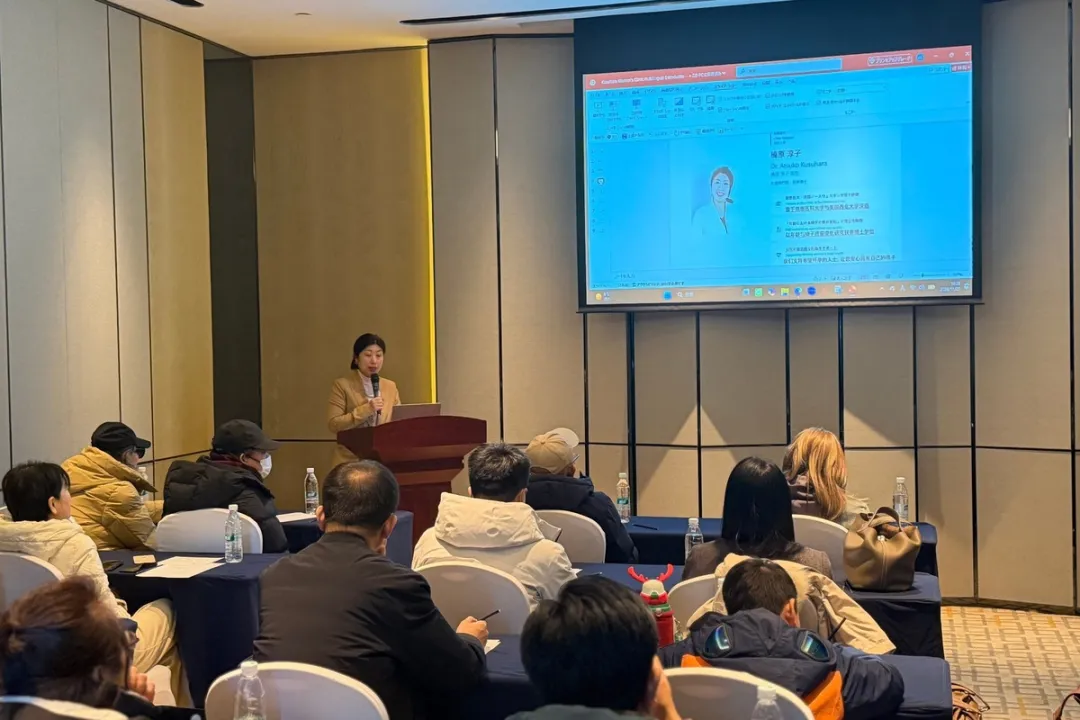
During her presentation, Director Kusuhara cited the national registry database of the Japan Society of Obstetrics and Gynecology (JSOG), noting that Japan has the world's largest assisted reproduction clinical statistics system, with more than 540,000 assisted reproduction cycles in a single year (543,630 cycles) and 77,206 babies born annually. The single embryo transfer (SET) rate exceeds 80%, helping maintain pregnancy efficiency while substantially reducing the risks of multiple pregnancies for mothers and babies. Supported by extensive clinical evidence and advanced laboratory engineering, including Advanced Clean Rooms and real-time imaging monitoring, Japanese reproductive medicine has developed considerable expertise in three major areas:
Cryotop Vitrification Technology: Developed by Japanese researcher Dr. Masashige Kuwayama, this technology uses an ultra-small-volume vitrification carrier and an ultrarapid cooling process. It greatly reduces ice crystal formation and cellular damage during freezing, providing a solid technological foundation for modern egg freezing and international cold-chain transportation.
Piezo-Assisted Intracytoplasmic Sperm Injection (Piezo-ICSI): This technique uses extremely fine piezoelectric pulses to gently penetrate the egg's cell membrane, reducing mechanical damage. Published clinical comparative data show that, compared with conventional ICSI, Piezo-ICSI increases the post-injection egg survival rate from 94.1% to 97.0% and the normal fertilization rate from 70.6% to 83.5%.
Patient-Centered Individualized Mild Ovarian Stimulation: Building on the natural-cycle and minimal-stimulation clinical approaches pioneered in Japan in the 1990s, this method adjusts low-dose medication protocols according to each patient's age and changing ovarian reserve. Emphasizing quality over quantity, it aims to reduce the risk of ovarian hyperstimulation syndrome (OHSS) while alleviating the physical and emotional burden on women.
03 SART Egg Freezing Age Trends and Breakthroughs in CAPA-IVM Technology
In the final presentation, Dr. Weihua Wang, Chief Scientist of IVF USA, provided an in-depth analysis under the title “Egg Freezing and IVM: Frontiers and the Future of Embryology” (Current Status and Future Development Trends in Egg Freezing Technology). Dr. Wang has 25 years of experience in establishing and managing laboratories at major fertility centers in the United States. Drawing on SART statistics, he noted that preventive fertility preservation among healthy women now accounts for approximately 80% of current egg-freezing demand, while an increasing number of companies and insurance providers are beginning to offer egg-freezing benefits to women. At the same time, a woman's age at the time of egg freezing directly affects cycle efficiency and the number of eggs obtained. Women under 35 freeze an average of 14.2 eggs per cycle, with a cycle cancellation rate of only 3.7%. For women aged 41–42 and those over 42, the average number of frozen eggs drops to 7.8 and 5.2, respectively. The single-baby live birth rate following the use of a woman's own frozen eggs also declines significantly with increasing age at freezing, reaching 51.1% for women under 35 and falling to 28.6% for women over 37. Scientific planning of the fertility preservation window is therefore particularly important.
In addition, Dr. Wang highlighted the latest breakthrough in in vitro maturation (IVM) of eggs: CAPA-IVM (capacitation-based in vitro maturation technology). This technology does not require conventional high-dose ovarian stimulation medication or an hCG trigger. Instead, immature GV-stage eggs are collected directly from small follicles measuring 2–9 mm. They first undergo 24–26 hours of pre-maturation culture supplemented with C-type natriuretic peptide (CNP), allowing synchronized acquisition of cytoplasmic competence, followed by 30–32 hours of maturation culture to obtain mature MII eggs. Clinical data show that this technology significantly reduces the risk of ovarian hyperstimulation syndrome (OHSS), offering a safer medical option for patients with polycystic ovary syndrome (PCOS), gonadotropin resistance, and cancer patients who need urgent fertility preservation. Dr. Wang also objectively noted that IVM places extremely high demands on the preparation of laboratory biphasic culture media and the protection of cumulus-oocyte complexes (COCs). The technology is still undergoing further development toward broader clinical adoption.
Following the keynote presentations, the event moved into a lively open Q&A and interactive discussion session. Attendees showed considerable interest in the characteristics of Japanese reproductive medicine and the pathway of “initial fertility preservation in Tokyo followed by compliant treatment in the U.S. and Mexico.” The three experts addressed the three main areas of concern raised by attendees, drawing on clinical standards and practical experience:
Focus 1: Travel Arrangements and Length of Stay in Japan
In response to the scheduling and time-cost concerns commonly raised by working professionals, Dr. Nathan Zhang and Director Kusuhara explained that preliminary hormone tests and ultrasound examinations can be completed in China, with electronic medical records established in advance. Patients only need to travel to Tokyo when they enter the main medication monitoring and egg retrieval stages. A single stay in Japan generally lasts three to five days, which can be arranged by combining a weekend with two or three days of annual leave. With a flight of only two to three hours and a one-hour time difference, patients hardly need any physical adjustment to a new time zone, helping maintain endocrine stability during ovarian stimulation.
Focus 2: Egg Freezing in Japan for Single Women and Rules Governing Future Use
Regarding the policy boundaries that concern single women, Dr. Nathan Zhang clarified that Japanese law fully supports single women legally freezing unfertilized eggs through vitrification. However, Japanese industry associations restrict single women from directly using third-party samples for fertilization within Japan. Therefore, when planning egg freezing in Japan, it is essential to consider the subsequent destination at the same time. Supported by Japan's well-established regulations governing the export of biological samples, frozen eggs can later be transported at any time through compliant Clinic-to-Clinic customs procedures and dedicated ultra-low-temperature aviation dry shippers (Dry Shippers) escorted in the aircraft cabin. The samples can be transferred to partner laboratories in the United States or Mexico on the same day for thawing, fertilization, and subsequent treatment in compliance with local regulations.
Focus 3: Ovarian Stimulation and Laboratory Protocols for Older Women and Those with Low Ovarian Reserve
In response to questions about treatment choices for women over 38 and those with a low antral follicle count, Director Junko Kusuhara and Dr. Weihua Wang addressed the issue from both clinical and laboratory perspectives. They explained that one of the biggest pitfalls for older women with low ovarian reserve is the use of standardized, one-size-fits-all medication protocols with fixed doses. Japanese clinicians are experienced in making dynamic adjustments to medication dosages based on subtle changes in hormone levels and follicular development during each cycle, pursuing egg maturity and quality while protecting ovarian function. At the same time, the IVF USA collaborative system integrates North American laboratory quality control standards into its Tokyo center and combines them with Piezo-ICSI and rigorous blastocyst culture procedures to help each precious egg reach its full potential.
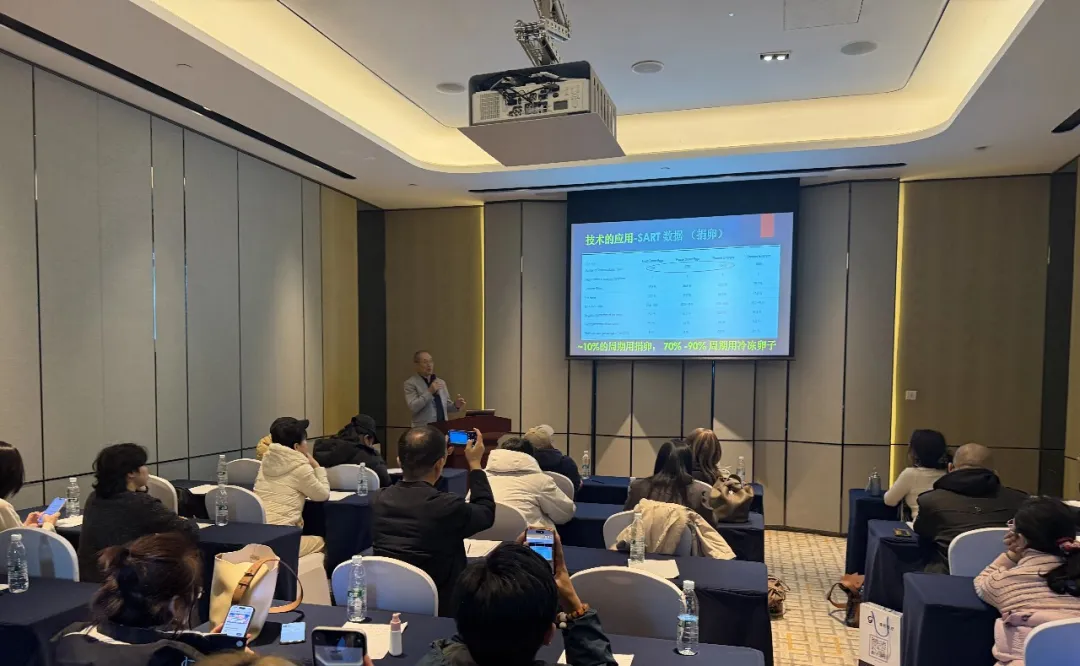
The special seminar lasted more than two hours and featured in-depth discussions throughout. After the event, many families and industry partners remained at the venue to have further one-on-one discussions with the expert team about their individual test results and cross-border treatment schedules.
Going forward, IVF USA will continue to build on its professional role in coordinating overseas assisted reproductive medical resources and planning cross-border treatment pathways. It will further strengthen its multi-center collaborative network across Japan, the United States, and Mexico, working with clinical and embryology experts at home and abroad to provide more transparent, standardized, and science-based integrated consultation and coordination services for people seeking cross-border fertility treatment.